
Easy Fluffy Mohair Crochet Sweater – Free Pattern & Video Tutorial
The tutorial video is at the bottom of the article.👇
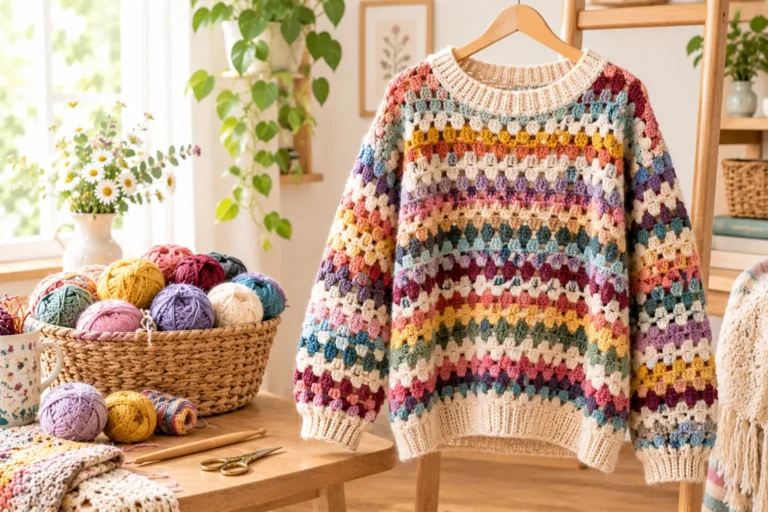
Imagine pulling on a soft, fluffy sweater on a chilly morning, wrapping your hands around a warm cup of coffee, and enjoying the comfort of something you made yourself. A handmade sweater feels special, and when you use fluffy mohair yarn, the finished piece can look delicate, cozy, and effortlessly stylish.
This Fluffy Mohair Crochet Sweater is a lovely project if you want to add a handmade touch to your wardrobe. With the right yarn, a comfortable hook, and a clear pattern, you can create a sweater that suits your personal style. Follow the steps below, use the video tutorial alongside the written instructions, and take your time with each part of the process.
Why You’ll Love This Fluffy Mohair Crochet Sweater
A fluffy crochet sweater combines handmade charm with a soft, airy appearance. Its fuzzy texture can turn a simple design into a beautiful statement piece.
Here are a few reasons to try this project:
- Soft, cozy texture: Mohair and mohair-blend yarns can create a delicate, fuzzy halo.
- Versatile styling: Wear your sweater with jeans, leggings, skirts, or dresses.
- Personalized colors: Choose cream, blush pink, lavender, sage green, or your favorite shade.
- A handmade wardrobe staple: Customize the length and fit to suit your preferences.
- A rewarding crochet project: Working through each stage helps you build confidence with garment construction.
If you’re new to crochet sweaters, remember that fluffy yarn can make individual stitches harder to see. Good lighting, stitch markers, and a little patience will make the process easier.
Materials and Supplies for Your Mohair Crochet Sweater
Before starting, gather your supplies and check the yarn label. The correct yarn and hook combination will help you achieve the fabric and fit you want.
| Material | What You’ll Need |
|---|---|
| Mohair or mohair-blend yarn | The quantity specified by your chosen size and pattern |
| Crochet hook | The size recommended by the tested pattern |
| Tapestry needle | For joining pieces and weaving in ends |
| Stitch markers | For marking edges, seams, and important stitches |
| Scissors | For trimming yarn |
| Measuring tape | For checking your measurements and finished garment |
| Blocking supplies | Only if suitable for your yarn’s fiber and care instructions |
Choosing the Best Yarn
Mohair yarn is known for its light, fuzzy appearance. Blended yarns may combine mohair with other fibers to change the softness, durability, or drape of the finished fabric.
When choosing your yarn, consider:
- Fiber content: Read the label to understand the yarn’s composition.
- Yarn weight: Match the pattern’s recommended weight as closely as possible.
- Color: Select a shade that works with the clothes you already own.
- Care requirements: Check whether the yarn needs special washing or drying.
- Texture: Make a small swatch to see how the yarn looks when crocheted.
You can experiment with a suitable alternative if you cannot find the recommended yarn. However, different fibers may create a different appearance, drape, and fit, so always check your gauge before making the full sweater.
Crochet Stitches and Preparation
Before you begin, review the stitches used in your chosen pattern. Depending on the design, you may need to know the following abbreviations:
- ch: Chain
- sl st: Slip stitch
- sc: Single crochet
- hdc: Half double crochet
- dc: Double crochet
Use only the stitches required by your pattern, and check whether it follows US or UK crochet terminology.
Check Your Gauge
Gauge is important when making clothing because it affects the finished size. Crochet a small swatch using your chosen yarn, hook, and stitch pattern. Measure it according to the pattern instructions and adjust your hook size if necessary.
Do not skip this step, especially if you are substituting yarn. A small difference in gauge can change the width and length of your sweater.
How to Crochet a Fluffy Mohair Sweater Step by Step
Follow your pattern carefully, using the video tutorial whenever you need to see a technique demonstrated.
Step 1: Choose Your Size
Measure your chest or bust, desired body length, and sleeve length. Compare your measurements with the finished garment measurements provided by the pattern.
Think about how you want your sweater to fit. A relaxed design needs more room than a fitted one, so choose your size based on the garment measurements rather than the label alone.
Step 2: Make a Gauge Swatch
Work a swatch in the specified stitch pattern. Check the stitch and row counts, then compare them with the pattern gauge. Adjust your hook if needed before beginning the sweater.
Step 3: Crochet the Main Pieces
Follow the pattern’s construction method, whether it uses separate panels or another approach. Pay attention to stitch counts, row repeats, and measurements.
With fluffy yarn, it helps to mark important points and count regularly. This can prevent small mistakes from becoming difficult to correct later.
Step 4: Make the Sleeves
Crochet the sleeves according to the pattern. Check their length and width as you work, especially if you prefer a loose or oversized fit.
Keep both sleeves consistent by comparing their measurements and row counts.
Step 5: Assemble the Sweater
Arrange the pieces as directed and use stitch markers to hold the edges in place. Join them using the method specified in your pattern, taking care not to pull the yarn too tightly.
Before securing the ends, check that the seams are positioned correctly and the garment sits comfortably.
Step 6: Finish the Neckline, Cuffs, and Hem
Complete the edging described in your pattern. Keep the neckline comfortable and make sure the cuffs and hem are neither too tight nor too loose.
Weave in the ends carefully, avoiding unnecessary pulling that could distort the fabric.
Step 7: Check the Fit
Try on the sweater if possible and check the body length, sleeve length, and overall shape. Make any adjustments allowed by the pattern.
Follow the yarn manufacturer’s care instructions for any final washing or blocking.
Fluffy Mohair Crochet Sweater Video Tutorial
A video tutorial can be especially helpful when you’re learning a new stitch or assembling a garment. You can watch the technique, pause the video, and repeat each step at your own pace.
For the best results:
- Gather your materials before starting.
- Watch each section before crocheting it.
- Pause to check your stitches and measurements.
- Refer to the written pattern for stitch counts and sizing.
- Replay unfamiliar steps whenever necessary.
Add your matching sweater video here so readers can follow the written pattern and visual instructions together.
Tips for Customizing Your Sweater
One of the best parts of making your own clothes is choosing the details.
- Choose your color: Cream and ivory offer a timeless look, while pink, lavender, and sage green add a gentle touch of color.
- Adjust the length: A cropped sweater can feel modern, while a longer design offers extra coverage.
- Try an oversized fit: Choose a suitable finished garment measurement and check how the change affects the sleeves and shoulders.
- Plan your yarn quantity: Longer sleeves, a longer body, or a larger size may require additional yarn.
Make adjustments carefully and keep checking your measurements as you work.
Common Problems and How to Fix Them
You Can’t See the Stitches Clearly
Fluffy yarn can hide stitch definition. Work in good lighting, feel for the tops of stitches, and use stitch markers to keep track of important points.
Your Sweater Is Too Big or Too Small
Check your gauge, stitch count, and yarn weight. Compare your work with the pattern measurements before continuing too far.
Your Yarn Gets Tangled When You Undo Stitches
Unravel slowly and gently. Avoid pulling the fibers aggressively, and test how easily your yarn unravels on a small swatch before starting the garment.
How to Care for Your Fluffy Crochet Sweater
Your handmade sweater will benefit from gentle handling. Always check the yarn label before washing, drying, or storing it.
- Follow the manufacturer’s recommended cleaning method.
- Handle the garment gently to help preserve its shape.
- Dry and store it according to the fiber’s care instructions.
- Avoid excessive friction that could cause pilling or damage the fuzzy fibers.
Care requirements vary between pure mohair and blended yarns, so follow the instructions for your specific yarn rather than assuming every sweater can be washed in the same way.
Frequently Asked Questions
Is a Fluffy Mohair Crochet Sweater Easy for Beginners?
It can be manageable for confident beginners if the pattern uses straightforward stitches and clear construction steps. Practicing the stitch pattern and checking gauge before starting will help.
What Is the Best Yarn for a Fluffy Mohair Crochet Sweater?
Choose a yarn that matches the pattern’s recommended weight, texture, and gauge. Check its fiber content, drape, and care instructions before purchasing.
Can You Make a Fluffy Mohair Crochet Sweater Without Mohair?
Yes, a suitable alternative yarn may work. However, the finished sweater may have a different texture, weight, and drape, so make a gauge swatch first.
How Much Yarn Do You Need?
The quantity depends on the sweater size, yarn weight, stitch pattern, and garment length. Use the quantities listed in your chosen pattern and allow for any planned modifications.
Can You Make an Oversized Mohair Crochet Sweater?
Yes, provided the pattern supports the desired measurements or offers adjustment guidance. Check the body, sleeves, and shoulders to keep the overall fit balanced.
How Do You Keep a Fluffy Crochet Sweater From Stretching?
Use the correct gauge, handle the garment gently, and follow the yarn manufacturer’s washing and drying instructions.
Conclusion
Making a Fluffy Mohair Crochet Sweater is a wonderful way to create something cozy, personal, and stylish. With suitable yarn, careful gauge checks, and clear instructions, you can work through the project one step at a time.
Choose a color you love, prepare your materials, and use the video tutorial to help with any unfamiliar techniques. Remember that the most useful details are accurate stitch counts, measurements, and yarn quantities from your chosen pattern.