Easy Crochet Shawl Pattern for Beginners
Starting your journey into handmade accessories is a wonderful way to express your creativity. If you have ever wanted to make a cozy wrap, this easy crochet shawl pattern is the perfect place to begin. You will learn how to transform simple yarn into a beautiful, functional piece of art right in your own home.

This project is designed specifically for those new to the craft. By focusing on basic stitches, you will gain confidence while building a stunning Crochet Shawl that keeps you warm during chilly evenings. It is a relaxing hobby that offers a great sense of accomplishment.
Throughout this guide, we will walk through every step of the process. You will master the foundation chain, learn how to work repeating rows, and understand how to perform center increases. We also cover finishing techniques and various ways to customize your beginner crochet shawl to match your personal style.
Key Takeaways
- Learn essential techniques for creating handmade wraps.
- Master basic stitches through a simple, repetitive design.
- Understand how to execute center increases for the perfect shape.
- Discover professional finishing methods for a polished look.
- Explore creative ways to customize your finished project.
What Makes This Crochet Shawl Beginner-Friendly
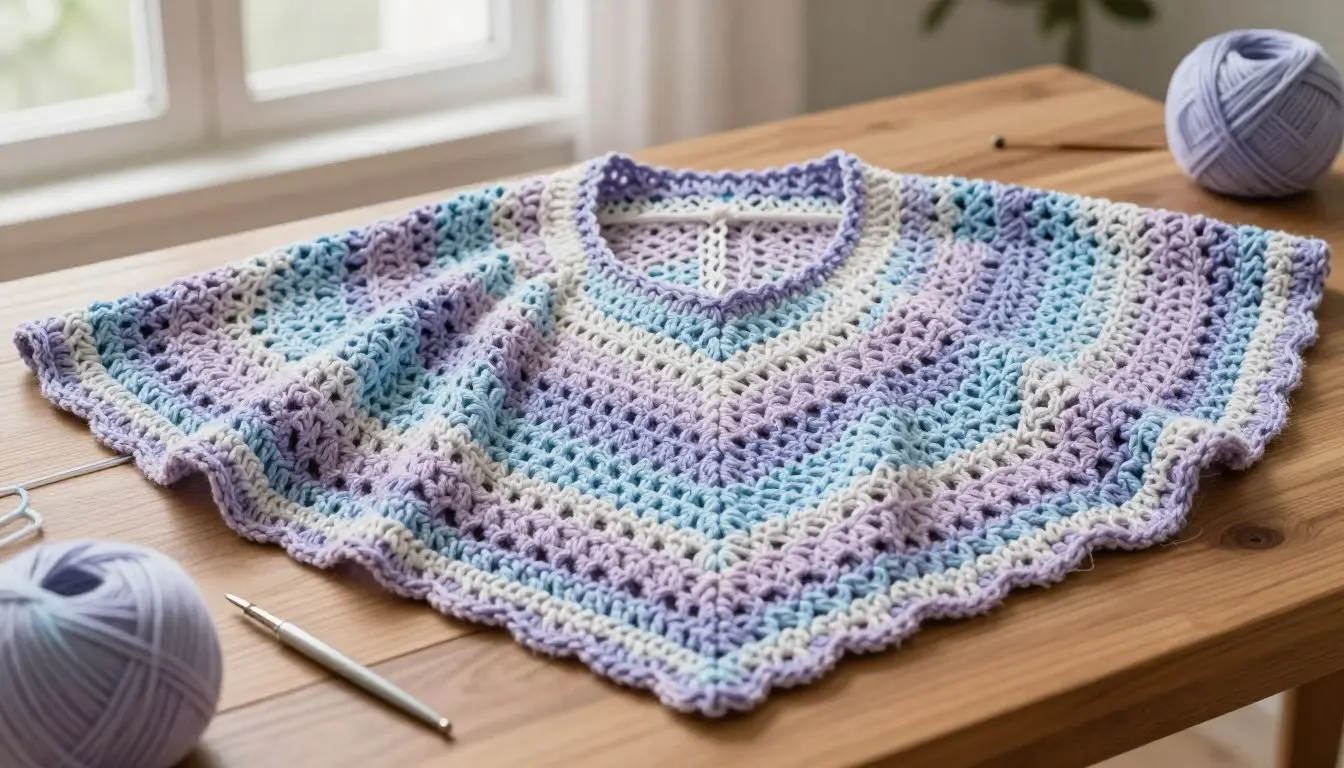
This specific design is crafted to help you build confidence while you learn essential techniques. By focusing on a triangle shawl pattern, you can master the rhythm of your hook without feeling overwhelmed by complex shaping or intricate lace work.
Simple Construction and Repeating Stitch Pattern
The beauty of this project lies in its straightforward design. You will work back and forth in rows, which allows you to memorize the sequence quickly. Because the pattern relies on a repeating stitch sequence, you will find your flow within just a few rows.
Finished Size, Shape, and Everyday Uses
The classic triangle shape is incredibly versatile for any wardrobe. This crochet wrap serves as a perfect light layer for chilly offices, a cozy accessory for evening walks, or a stylish addition to your everyday outfits. You can easily adjust the final size to suit your personal preference for coverage.
Skills to Know Before Starting
Before you begin, it is helpful to familiarize yourself with the fundamental crochet stitches for beginners. Mastering these basics ensures that your edges remain straight and your tension stays consistent throughout the project.
Making a Slip Knot and Foundation Chain
Every project starts with a secure slip knot on your hook. From there, you will create a foundation chain, which serves as the base for your first row of stitches. Keeping your chain tension loose will make it much easier to work into later.
Working Single Crochet and Double Crochet
This pattern primarily utilizes two of the most common stitches in the craft. You will practice:
- Single Crochet: A short, dense stitch perfect for structure.
- Double Crochet: A taller stitch that adds beautiful drape and works up quickly.
Counting Stitches and Recognizing Turning Chains
Accurate counting is the secret to a professional-looking finish. You must learn to identify your turning chains, which act as the first stitch of each new row. Always count your stitches at the end of every row to ensure your triangle maintains its symmetrical shape.
Yarn, Hook, and Supplies for the Shawl
Every great crochet project begins with a thoughtful selection of yarn and tools. Having the right equipment makes your crafting experience much more enjoyable and professional.
Choosing Comfortable Yarn for a Wearable Wrap
When selecting crochet yarn, consider the fiber content carefully. Natural fibers like wool provide excellent warmth, while cotton blends offer a breathable, lightweight feel perfect for summer wraps.
The texture of the yarn also impacts your final result. A smooth, plied yarn allows your stitches to shine, whereas fuzzy or novelty yarns can hide your hard work. Always choose a soft material that feels pleasant against your skin.
Recommended Crochet Hook Size and Yarn Weight
Matching your crochet hook size to the weight of your yarn is essential for a balanced fabric. If your hook is too small, the shawl will feel stiff and heavy. Conversely, a hook that is too large creates loose, gapping stitches that lack structure.
| Yarn Weight | Recommended Hook Size (mm) | Best Use |
|---|---|---|
| Light/DK | 3.5mm – 4.5mm | Lightweight shawls |
| Medium/Worsted | 5.0mm – 6.0mm | Everyday warmth |
| Bulky | 6.5mm – 8.0mm | Cozy winter wraps |
Additional Supplies for Measuring and Finishing
Beyond the basics, a few extra tools will help you achieve a polished look. These items are small but play a significant role in the construction process.
Scissors, Tapestry Needle, and Stitch Markers
Keep a sharp pair of scissors nearby for clean yarn cuts. A blunt-tipped tapestry needle is necessary for weaving in your ends securely once the project is complete. Additionally, stitch markers help you keep track of your rows and center increases without losing your place.
Measuring Tape and Blocking Materials
A flexible measuring tape ensures your shawl reaches the desired dimensions. Once finished, you will need blocking mats and pins to shape the fabric. Blocking is a crucial step that evens out your stitches and gives the shawl a professional finish.
Understanding Gauge and Adjusting the Drape
Checking your crochet gauge before you start is the best way to avoid frustration. This simple test confirms that your tension matches the pattern requirements.
If your swatch is too small, try moving up one crochet hook size to loosen your stitches. If it is too large, a smaller hook will help you achieve the correct crochet gauge. Adjusting these elements early ensures your shawl has the perfect drape and fits exactly as intended.
Prepare the Crochet Shawl Pattern
Success in crochet begins with a solid grasp of the terminology and structural basics. Following crochet shawl instructions accurately ensures that your project maintains its intended shape and size from start to finish.
Read the Pattern Abbreviations and Stitch Terms
Most patterns use shorthand to save space. Learning these common terms will help you read your instructions with confidence.
Chain, Single Crochet, Double Crochet, and Space
The chain (ch) is the base of most projects. A single crochet (sc) creates a tight, dense fabric, while a double crochet (dc) is taller and creates a more open, airy drape. A space (sp) refers to the gap created by chains, where you will often place your next stitches.
Right Side, Wrong Side, and Turning Chain
The Right Side (RS) is the side of the fabric that faces out when worn. The Wrong Side (WS) is the back of the work. A turning chain is a series of chains worked at the end of a row to bring your yarn to the correct height for the next row.

Make a Gauge Swatch Before Beginning
A gauge swatch is a small sample piece used to check your tension. By comparing your stitches to the pattern requirements, you ensure your finished wrap will not be too small or too large. This simple step prevents frustration and helps you achieve the perfect drape for your crochet shawl instructions.
Work the Foundation Chain and First Row
Starting your project correctly is vital for a professional look. You will begin by working a foundation chain to set the initial width. The first row establishes the base, and you must keep your tension even to ensure the edges remain straight.
Identify the Center Increase and Row Edges
Many triangle shawls rely on a center increase to grow the fabric symmetrically. You must identify this specific stitch in every row to maintain the triangular shape. Keeping your row edges consistent is equally important, as these will form the clean borders of your finished piece.
| Term | Abbreviation | Function |
|---|---|---|
| Chain | ch | Foundation or spacing |
| Single Crochet | sc | Tight, sturdy stitch |
| Double Crochet | dc | Tall, flexible stitch |
| Turning Chain | tch | Height adjustment |
Work the Main Shawl Body
Creating the body of your shawl is where the pattern truly comes to life. As you move past the foundation, you will establish a rhythm that makes the work feel meditative and rewarding.
Build the First Repeating Rows
Chain Three to Begin Each Row
Every new row starts with a chain of three. This simple step acts as your turning chain and helps maintain the height of your crochet shawl body.
Place the Center Increase Consistently
The center increase is the secret to your shawl’s triangular shape. Always ensure you work the specified stitches into the center space of the previous row to keep the expansion symmetrical.
Repeat the Stitch Sequence Across the Row
Once you master the shawl crochet pattern, you will find that the stitches become second nature. Simply follow the sequence provided in your instructions until you reach the end of the row.

Continue Increasing Until the Shawl Reaches Your Size
Count Stitches at the End of Each Row
Taking a moment to count your stitches ensures your work stays on track. Consistent repeating crochet rows rely on having the correct number of stitches to maintain the pattern’s integrity.
Keep the Fabric Even Without Tightening the Edges
Try to keep your tension relaxed as you work. If you pull the yarn too tightly, the edges of your shawl may curl or shrink, which can distort the final shape.
Correct Common Beginner Mistakes
Fixing a Missed Center Increase
If you notice you skipped the center increase, do not panic. You can often add the missing stitches in the next row, but it is usually best to gently pull back your work to the point of the error.
Repairing an Extra or Missing Stitch
An extra or missing stitch can happen to anyone. If you find a mistake, check your count against the pattern instructions to see where the deviation occurred.
Unraveling and Reworking a Difficult Row
Sometimes, the best solution is to unravel the row and start again. Embrace this process as part of learning, as it helps you understand the structure of your project much better.
Shape, Edge, and Finish the Shawl
Once you have completed the main body of your shawl, it is time to focus on the details that give it a professional look. Taking a moment to inspect your work ensures that your project is ready for the final touches. Precision at this stage makes a significant difference in the final appearance of your handmade accessory.
Check the Triangle Shape Before Fastening Off
Before you cut your yarn, lay your shawl flat on a clean surface to verify its symmetry. You want to ensure that the center increase point is centered and that both side edges mirror each other perfectly. If one side appears slightly longer or tighter, you may need to adjust your tension or add a final row to balance the piece.
Add a Simple Decorative Border
Adding a crochet shawl border is an excellent way to frame your work and prevent the edges from curling. A simple border adds weight and structure to the shawl, making it drape more elegantly when worn. Choose a stitch that complements the main pattern without overwhelming the design.
Work Even Stitches Along the Long Edge
When working along the long top edge, aim for consistent spacing to keep the fabric flat. Place one stitch into each foundation chain or stitch space to maintain a clean, straight line. Consistency is key to preventing the border from pulling or rippling.
Space Border Stitches Around the Side Edges
The side edges often require a different approach because they consist of row ends rather than clear stitches. You should distribute your stitches evenly by working into the gaps between rows. Proper spacing ensures the border follows the natural curve of the triangle without bunching up.
Weave In Ends Securely
To weave in ends crochet projects effectively, use a tapestry needle to hide the yarn tails within the stitches. Work the tail back and forth through the back loops of your work for at least two inches. This method prevents the yarn from unraveling over time, even with frequent use.
Block the Finished Shawl for Better Definition
The final step is blocking crochet pieces to open up the stitches and even out the fabric. Gently soak your shawl in cool water, squeeze out the excess, and pin it into the desired triangle shape on a foam mat. Once it dries completely, your shawl will have a professional, polished finish that highlights your stitch work.
| Finishing Step | Primary Purpose | Difficulty Level |
|---|---|---|
| Bordering | Adds structure and style | Beginner |
| Weaving Ends | Secures the yarn | Easy |
| Blocking | Improves drape and shape | Intermediate |
Customize the Finished Crochet Shawl
Designing a custom crochet shawl allows you to express your personal style through simple modifications. You do not need to alter the fundamental stitch pattern to make the piece feel entirely your own. Small changes in materials or decorative finishes can completely transform the final look of your accessory.
Adjust the Width and Length by Changing Row Count
The beauty of a triangular wrap lies in its scalability. If you prefer a larger, more dramatic wrap, simply continue working the repeating rows until you reach your desired wingspan. Conversely, stopping a few rows early creates a petite, scarf-like version that is perfect for layering under a coat.
Create a Lightweight or Warmer Version
Your choice of fiber dictates the functionality of your wrap. By selecting the right material, you can ensure your project is suitable for any climate or season.
Select Cotton or Bamboo for Breathable Drap e
For a breezy, summer-ready accessory, opt for cotton or bamboo blends. These fibers offer excellent drape and keep the fabric cool against your skin. They are ideal for beach cover-ups or light evening wraps during warmer months.
Select Wool or Acrylic for Extra Warmth
If you need a cozy layer for winter, choose wool or high-quality acrylic yarns. These materials trap heat effectively, providing the necessary warmth for chilly days. Wool provides a classic, natural feel, while acrylic is often easier to care for and machine washable.
Add Fringe, Tassels, or a Contrasting Border
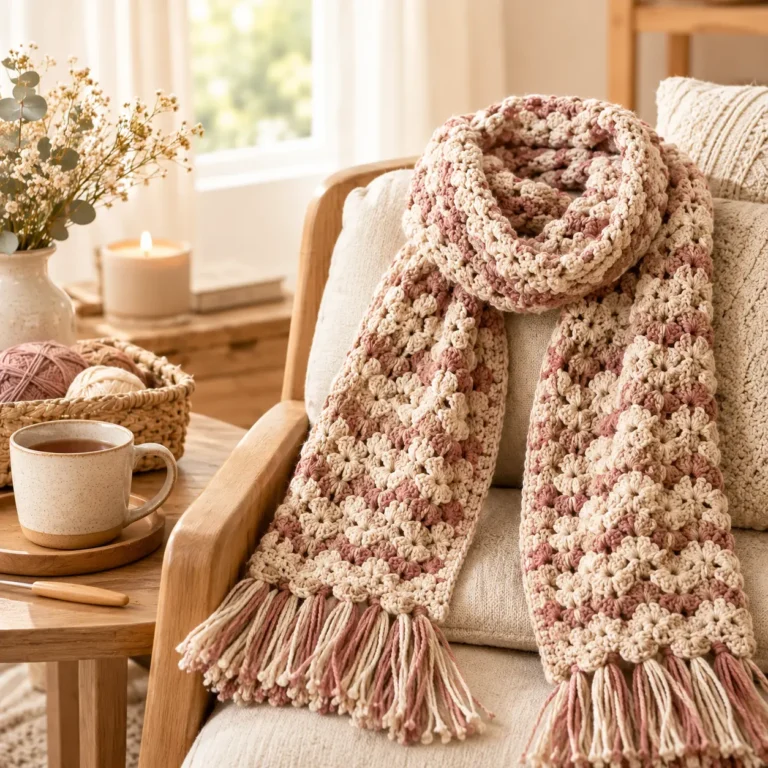
Embellishments are the easiest way to add personality to your work. Adding a crochet fringe along the bottom edge creates a playful, bohemian aesthetic that moves beautifully as you walk. You might also consider attaching tassels to the corners or working a final row in a contrasting color to frame the entire piece.
Choose Colors for Seasonal and Everyday Wear
Color selection plays a major role in how often you will wear your custom crochet shawl. Soft pastels or bright, vibrant tones often work best for spring and summer wardrobes. For autumn and winter, consider rich, earthy hues like deep forest green, burgundy, or classic navy to match your seasonal outfits.
Conclusion
Creating a beautiful handmade wrap relies on the simple harmony of basic stitches and consistent increases. This foundational method allows you to build confidence while producing a functional piece of art.
Success starts with your attention to detail. Checking your gauge and counting stitches keeps your work uniform. Maintaining even tension ensures your fabric drapes perfectly across your shoulders.
Finishing your edges with care provides a professional look to every project. Secure ends prevent unraveling and keep your work looking pristine for years.
You now possess the skills to adapt this pattern to your unique style. Experiment with different yarn weights from brands like Lion Brand or Red Heart to change the texture of your handmade wrap. Select vibrant colors or soft neutrals to match your seasonal wardrobe.
Every stitch you place brings you closer to a finished accessory that reflects your personal taste. Share your progress with the crafting community to inspire others. Your creative journey with this versatile pattern is just beginning.
FAQ
Is this crochet shawl pattern suitable for absolute beginners?
Yes, this Easy Crochet Shawl Pattern is specifically designed for beginners who are familiar with a slip knot and the foundation chain. It utilizes a simple construction and a repeating stitch pattern involving basic stitches like single crochet and double crochet, making it a stress-free entry point into garment making.
Which yarn and crochet hook brands work best for this project?
For a durable and soft handmade wrap, we recommend using high-quality, accessible yarns such as Lion Brand Vanna’s Choice or Red Heart Super Saver. To ensure the best experience, pair your yarn with ergonomic tools like Clover Amour crochet hooks. A 5.5mm (I-9) hook is often ideal for achieving a comfortable drape with medium-weight acrylic or wool blends.
Why is it necessary to create a gauge swatch before starting?
Making a gauge swatch is essential to ensure your finished size matches the pattern’s intent. It helps you determine if your tension is too tight or too loose. By measuring your stitches against the pattern’s requirements, you can adjust your hook size to maintain a predictable triangle shape and ensure you don’t run out of yarn before the project is complete.
How do I maintain a symmetrical triangle shape as I work?
Symmetry is achieved by placing the center increase consistently in every row and carefully counting stitches at the end of each row. You must also learn to recognize turning chains, such as a chain three, which serve as the first stitch of a new row. This prevents the side edges from narrowing or becoming uneven.
What should I do if I find a mistake several rows back?
If you notice a missed center increase or an extra stitch, the most reliable fix is unraveling (commonly known in the community as “frogging”) the work back to the error. While it takes time to rework a difficult row, it ensures the fabric remains even and the final triangle shawl looks professional.
Can I customize the shawl for different weather conditions?
Absolutely. You can create a lightweight version for spring using cotton or bamboo yarn for a breathable feel. For a winter version, choose wool or acrylic for extra warmth. You can also customize the width and length by simply changing the row count or adding decorative elements like fringe, tassels, or a contrasting border.
What is the purpose of blocking the finished shawl?
Blocking is the final step where you use measuring tape, T-pins, and blocking materials to set the shawl’s final dimensions. This process relaxes the yarn fiber, improves stitch definition, and ensures the triangle shape is crisp and the edges are perfectly straight. It transforms a slightly bunched project into a beautiful, flowing wearable wrap.
What basic supplies do I need to keep in my crochet kit for this project?
Beyond your yarn and hook, you should have a pair of scissors, a tapestry needle for weaving in ends, and stitch markers to help identify the center increase. These tools are essential for the finishing methods that give your shawl a polished, high-quality look.